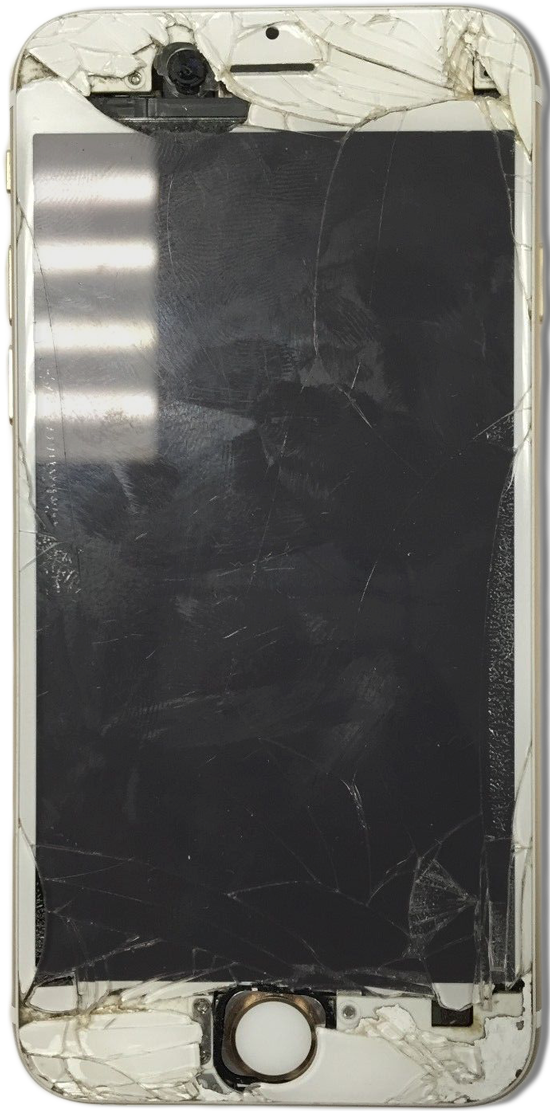
What is E-Waste?
Electrical waste, or E-Waste, simply describes discarded electrical or electronic devices – from fridges and televisions to laptops and mobile phones.
The term not only includes devices which have been disposed of, but also commonly includes items which are destined for reuse, resale, salvage or recycling.
In the past decade demand for consumer electronic goods has skyrocketed, thanks in part to rapid economic growth coupled with increased urbanisation globally.
This increased demand combined with changes to media (e.g. tapes to CDs to MP3s), rapidly changing technical standards and technologies (i.e. increasingly better hardware specifications) and planned obsolescence has led to an unprecedented amount of E-Waste.
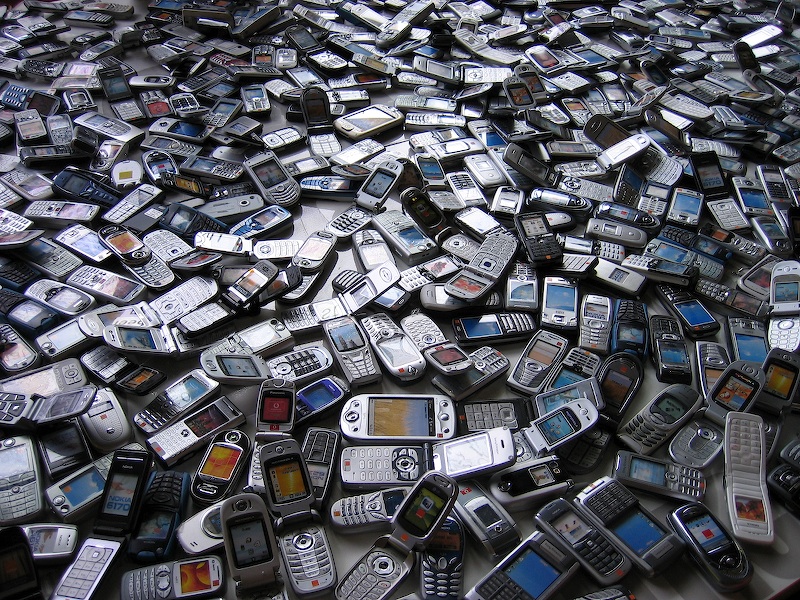

E-Waste Statistics


In the United States, an estimated 70% of heavy metals in landfills come from discarded electronics.
In 2013, there were an estimated 268 million tablets and 1.4 billion smartphones worldwide.
Researchers from UNSW say E-Waste is being generated three times faster than all other forms of waste.
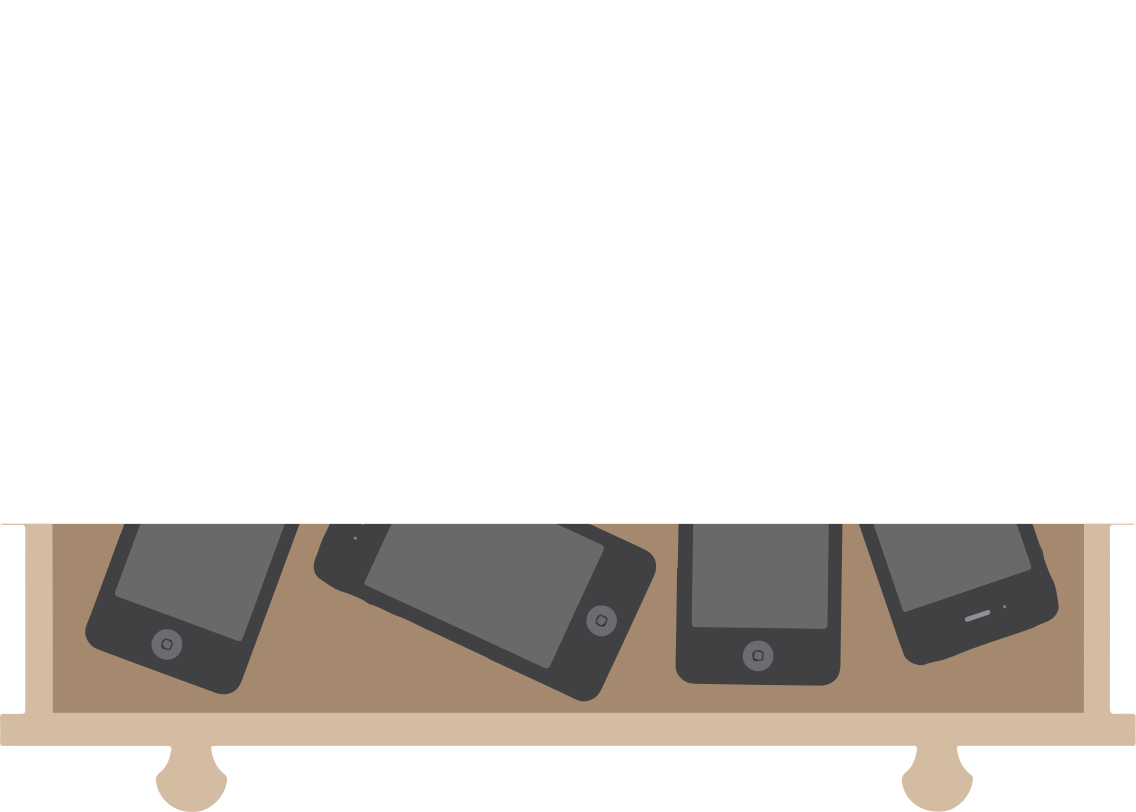
Australians upgrade or exchange their mobile phones every 18 months, meaning there are approximately 16 million unused mobile phones stashed away at home or in the office.