Causes
Consumer Culture
Part of the blame for the growing E-Waste epidemic can be directed towards consumer culture.
Increasingly, consumers feel the need to ‘keep up with the Joneses’ - ensuring they have the latest technologies and do not fall behind what is socially expected, or find themselves with a device that no longer functions correctly.
Smartphones have grown increasingly essential to our day-to-day lives, more and more people are purchasing (and later causing waste from) smartphones.
According to Pew Research, Australian smartphone penetration has reached 77% as of 2017, the 2nd highest in the world!
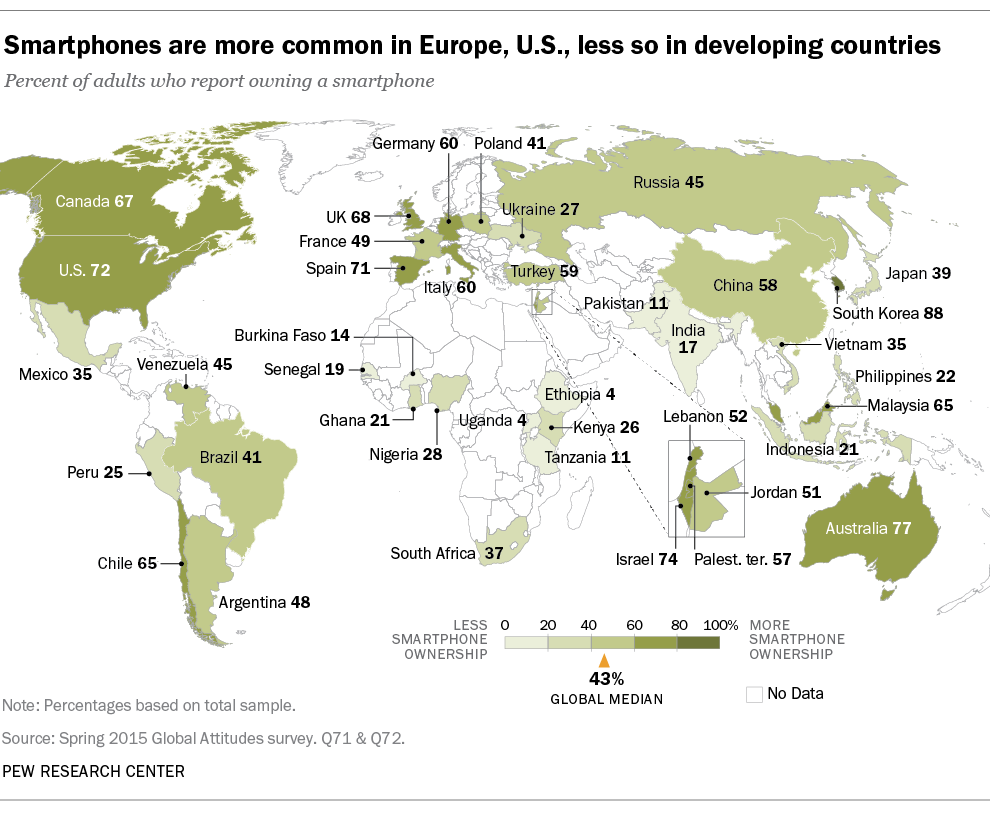
The rate people are buying smartphones globally is also increasing. For example, in 2016, on average 1 in every 5 people owned a smartphone!
View the graph below to see how rapidly people are buying mobile phones:
Planned Obsolescence
Planned Obsolescence is the production of goods with uneconomically short useful lives so that customers will have to make repeat purchases.
Becoming obsolete may involve the product no longer functioning, or simply being unfashionable and too out-of-date to be usable.
There are many ways technology companies, such as Apple and Samsung, can plan for their smartphones to become obsolete.
Planned Obsolescence – Instilling in the buyer the desire to own something a little newer, a little better, a little sooner than is necessary.
Changing standards are common way to make old technologies appear archaic and often not only result in the consumer needing to replace their phone but also many associated accessories.
Examples include:
- The removal of Headphone Jack
- Replacing the 30-Pin Connector to Lightning, or Micro USB to USB Type C
- The introduction of new wireless protocols such as Bluetooth 5.0
While often necessary to maintain a secure device, software updates also are regularly accused of reducing the performance of a smartphone, forcing users to upgrade.
Difficult Repairs
Technology companies often make it next to impossible to repair the smartphones they manufacture – in an effort to drive up new purchases.
This is achieved through manufacturing decisions, such as using proprietary screws, soldering components directly to the motherboard and using gules and other difficult to remove adhesives, as well as fear tactics – i.e. saying that attempting to open your phone will void your warranty.
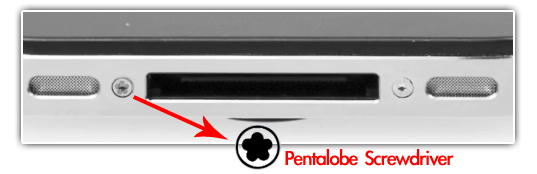
Thankfully, organisations such as iFixit help inform consumers about the ease of repair for many flagship devices and provide step-by-step instructions to help users perform repairs with confidence and ultimately reduce their contribution to mobile E-Waste.