Concerns
Complicated Components
Our mobile devices are made from more than just the glass and metal visible on the outside. Most devices contain 500 to 1,000 components, many of which contain toxic heavy metals such as lead, mercury, bromine and beryllium.
Cases of cancer, birth developmental problems and other health defects all have linked to improper disposal of electronic products.
Mobile devices also contain many rare earth minerals. They are used for their magnetic and conductive properties and help to make our technologies faster, stronger, lighter and more efficient.
Without rare earths and the miniaturization capabilities they provide, computers would be the size of classrooms instead of the size of smartphones.
However, the rate at which we are using these minerals to create new devices every year is unsustainable. Less than 1% of rare earth minerals end up being recycled.
Inside a Smartphone
To get a better idea of what minerals/metals are in a mobile device, select a part of the iPhone to learn about the materials within each component:
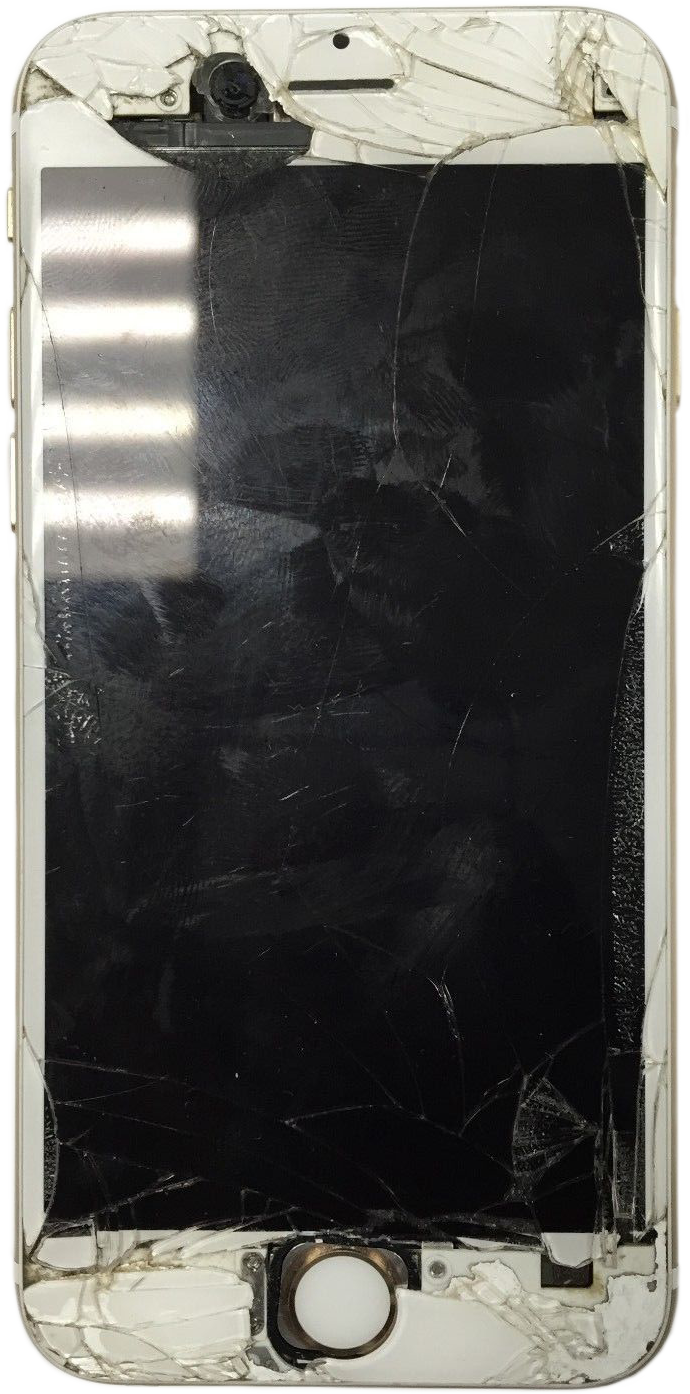
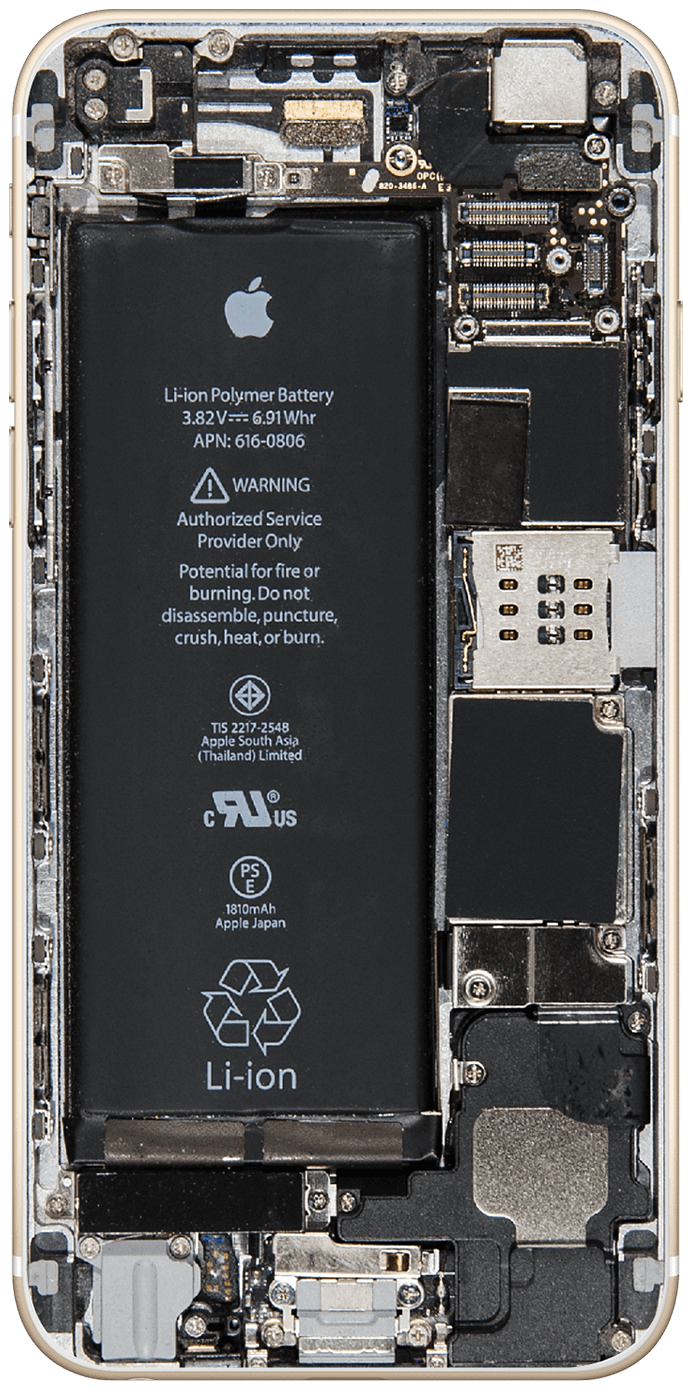
Screen
Waste Management
The majority of consumer electronics are not disposed of properly. According to the Australian Government, in 2007-08 only 10% of all devices that reached the ‘end of life’ were properly recycled, the rest went to landfills where they pose the risk of polluting soil and waterways with toxic metals.
Even when used electronics are sent to recycling plants correctly, there is still a chance that the waste will be shipped overseas to countries such as China and Africa where environmental waste regulations are more relaxed. In the US, it is estimated that 50-80% of the waste collected for recycling is being exported in this way, an act which is illegal under international law.
It is estimated that roughly 41.8 million metric tonnes of E-Waste was generated in 2014. That’s the equivalent of 93,223 Blue Whales!
Watch the videos below for more on E-Waste dumping in Africa and the dodgy recycling practices in the US: